Selling a Probate House in Massachusetts Starts With Authority, Not Marketing
A house can be one of the estate’s largest assets, but the first question is not how to advertise it. The first question is who has legal authority to sign for the estate. In Massachusetts, that usually means confirming the appointed personal representative, reviewing the will if there is one, and determining whether the personal representative has authority to sell the real estate or needs a license to sell.
The answer is not identical in every probate case. A will that has been admitted to probate may give the personal representative a power of sale. An intestate estate, meaning there is no will, generally requires a license under Massachusetts General Laws Chapter 202 before estate real estate can be sold to an arm’s-length third party. A will without an adequate power of sale may also require a license. The estate’s probate attorney and closing attorney should confirm the authority that applies before a contract is signed.
This page provides general information about selling estate real estate in Massachusetts. It is not legal, tax, or financial advice. Estate documents, title, court orders, the type of appointment, and the facts of the probate case can change what is required.
Confirm the Appointment
Letters of Authority help establish who has been appointed to act for the estate. An heir or beneficiary should not assume that an expected inheritance alone gives that person authority to sign a deed or purchase contract for estate property.
Confirm the Power to Sell
The will, the type of probate, and any court restrictions matter. A probated will may contain a power of sale. In other estates, the personal representative may need a Probate and Family Court license before transferring the real estate.
Coordinate the Interested Parties
The personal representative has fiduciary duties to the estate, while heirs, devisees, creditors, lenders, and other interested parties may have rights that affect administration. Clear communication can prevent practical problems from turning into closing delays.
When a Massachusetts License to Sell May Be Required
Massachusetts law draws an important distinction between different estates. If the decedent died without a will, the personal representative needs a license under Chapter 202 to sell estate real estate to an arm’s-length third party. If there is a will, a license is not required when the will has been admitted to probate and gives the personal representative the needed power to sell. If the will does not provide that power, a license may still be required.
That distinction is one reason the old advice that every Massachusetts probate home sale needs court approval is too broad. The correct question is whether the appointed personal representative already has a valid power of sale or must obtain a license. A probate attorney or title professional can review the will, appointment, court orders, and title before the estate commits to a sale.
Some simplified or limited probate procedures have additional restrictions. Massachusetts voluntary administration is for qualifying estates with no real estate, and a late and limited personal representative cannot obtain a license to sell the decedent’s real estate. Those situations should be reviewed before making assumptions about a sale timeline.
From Probate Appointment to a Property That Is Ready to Close
A probate house does not need to be fully renovated before the estate starts planning a sale. It does need a clear chain of authority and enough information for the estate to compare its realistic selling options. The sequence below focuses on decisions that affect the property transaction rather than trying to summarize every duty involved in administering an estate.
Review the Estate File
Confirm the appointment, the will if one exists, any restrictions in court orders, and whether authority to sell is already available.
Resolve Decision-Making
Identify who needs to be consulted and address beneficiary concerns early. A disagreement is easier to manage before a purchase agreement is signed.
Choose the Property Strategy
Compare the cost and effort of repairs, cleanout, carrying expenses, listing preparation, and showings with the terms of an as-is direct sale.
Coordinate Title and Closing
Give the closing attorney the probate and property information early enough to identify title, mortgage, lien, or authority issues before the scheduled closing.
Decide Whether the Estate Should Repair, Clean Out, or Sell As-Is
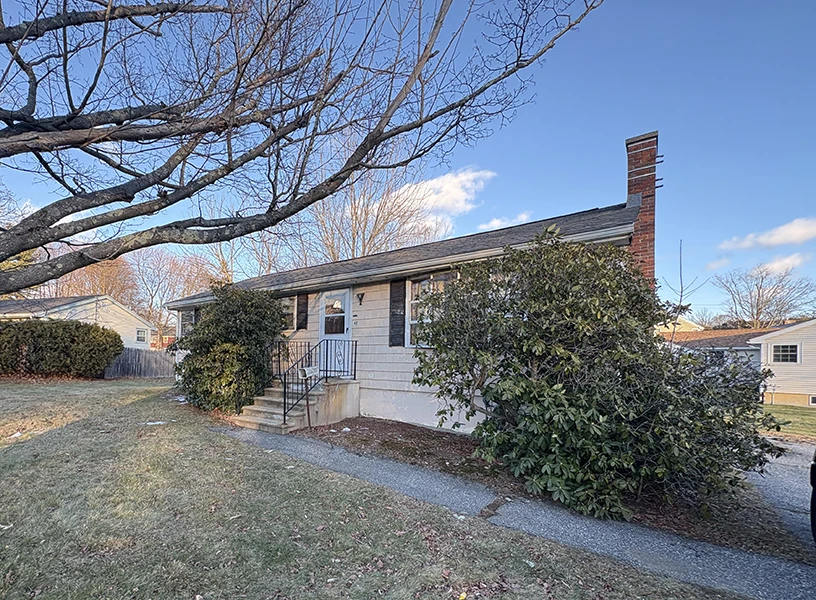
Property condition is a separate issue from probate authority. Once the estate can sell, the personal representative still has to decide how much money, time, and coordination to put into the house before marketing it. A traditional listing can make sense when the estate is comfortable preparing the property and waiting for a retail buyer. That may involve cleanout, repairs, photography, showings, inspections, appraisal, and buyer financing.
An as-is sale can reduce those property-level tasks. We buy houses in Massachusetts in their current condition, so the estate does not have to renovate the house simply to request an offer from us. Before leaving furniture or personal belongings behind, the personal representative should still confirm what belongs to the estate and what must be distributed or retained.
Our direct home-buying process explains how we evaluate a property and provide a no-obligation cash offer.
Traditional Listing or Direct Cash Sale: Compare the Work the Estate Must Take On
Traditional Listing
Listing can be a reasonable choice when the property is in marketable condition, the estate can manage preparation and access, and the personal representative wants exposure to the broader retail market. The estate should account for the time and cost of cleanout, repairs or credits, showings, inspection negotiations, appraisal, buyer financing, and ordinary holding expenses while the property remains unsold.
The highest asking price is not automatically the highest net result. The personal representative can compare likely sale proceeds with commissions, prep work, carrying costs, repair requests, and the estate’s available time before choosing a strategy.
Direct Cash Sale
A direct sale can fit an estate that values a simpler property transaction, especially when the house needs repairs, is full of belongings, is vacant, or is difficult for an out-of-area personal representative to manage. As local cash home buyers, we can evaluate the property as it sits and make a no-obligation offer without requiring the estate to prepare the house for retail showings.
A cash offer should still be compared with the estate’s other realistic options. The personal representative can review the price, closing terms, property condition obligations, and expected net proceeds with the estate’s attorney or other advisors before accepting.
Beneficiaries, Mortgages, Liens, and Estate Expenses Can Affect the Closing
Probate authority is only one part of a real estate closing. The attorney handling the transaction may also need to address the deed, mortgage payoff, recorded liens, municipal charges, estate-related documents, and other title requirements. A property can be physically ready to sell while the legal file still needs work.
Beneficiary agreement is also more nuanced than a simple yes-or-no rule. The appointed personal representative may have authority to act for the estate, but the will, court orders, type of administration, fiduciary duties, and any active dispute can affect what should happen next. If family members disagree about whether, when, or how the property should be sold, resolving that issue with probate counsel before signing a contract can reduce the risk of a failed transaction.
Sale proceeds normally become part of the estate administration rather than going directly from the buyer to individual heirs at closing. Questions about creditor claims, taxes, distributions, or the amount each beneficiary ultimately receives belong with the estate’s legal and tax professionals.
Selling a Probate House From Outside the Area
A personal representative does not have to live near the property to start comparing sale options, but distance can make cleanout, repairs, access, utilities, insurance, and recurring property visits harder to manage. A direct as-is offer can be useful when the estate wants to limit those property-management tasks while probate and title work continue.
We work with Massachusetts property owners across our core service areas. The Moz tracking report shows opportunity around searches for selling a probate home in markets such as Andover, Chelmsford, Framingham, Gardner, Berlin, Billerica, Fitchburg, Waltham, and Middlesex County. You can review our local information for Andover, Fitchburg, Gardner, and Waltham without turning this probate guide into a city-by-city directory.
The Massachusetts rules governing the personal representative’s authority are statewide, but every estate and title file is different. Local market conditions can influence a property’s value and selling strategy, while the probate documents determine who can authorize the transaction.
Want a Direct Offer on a Massachusetts Probate Property?
We can look at the property in its current condition and provide a no-obligation cash offer for the estate to compare with a traditional listing. We are the buyer, not the estate’s attorney, probate representative, tax advisor, or court. Legal authority to sell should be confirmed independently before closing.
Call (978) 644-0366 with questions about the property, or use our online form to send the address and basic details.
More Questions Before You Choose a Selling Route?
For general questions about our cash-purchase process, repairs, closing expenses, and what happens after you request an offer, visit our home-selling FAQ. If your question is about probate authority, estate distributions, creditor rights, taxes, or a court filing, a Massachusetts probate attorney or the appropriate legal or tax professional should answer it for your specific estate.